
When a concussion changes everything, know that recovery is possible.
A concussion can leave young athletes feeling unlike themselves. Headaches, dizziness, brain fog, fatigue, and difficulty concentrating can make everyday life, school, and sports feel overwhelming.
Some athletes struggle for weeks or months, wondering why they still don't feel better and whether they'll ever get back to doing the things they love.

There is hope. Understanding concussion recovery and knowing where to turn for help can make all the difference.
Happy Brain Physical Therapy is here to help athletes, parents, and coaches understand concussion recovery and the steps that can support a safe return to everyday activities and sports.
A concussion is a brain injury. Don't ignore the signs.
Concussions can happen in virtually any sport, including football, soccer, hockey, lacrosse, basketball, baseball, skiing, snowboarding, cycling, and other athletic activities.
A concussion can occur from a direct blow to the head or from an impact to the body that causes the brain to move rapidly inside the skull.
And here's something every parent and coach should understand: An athlete does not have to lose consciousness to sustain a concussion.
Symptoms may appear immediately or develop over the hours and days following an injury. Some athletes may even minimize their symptoms because they don't want to miss a game.
Recognizing a possible concussion early is the first step toward protecting an athlete's health.
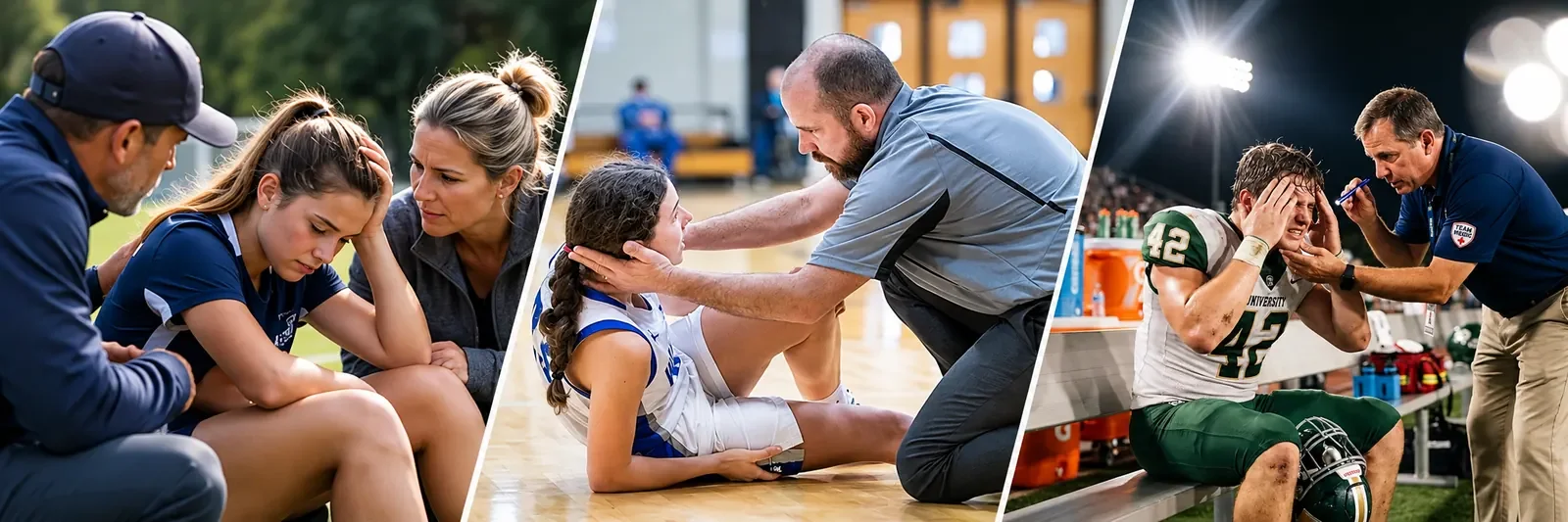
WHAT PARENTS AND COACHES NEED TO RECOGNIZE
What does a concussion look like?
Not every concussion looks the same. Watch for changes in how an athlete feels, thinks, moves, or behaves.
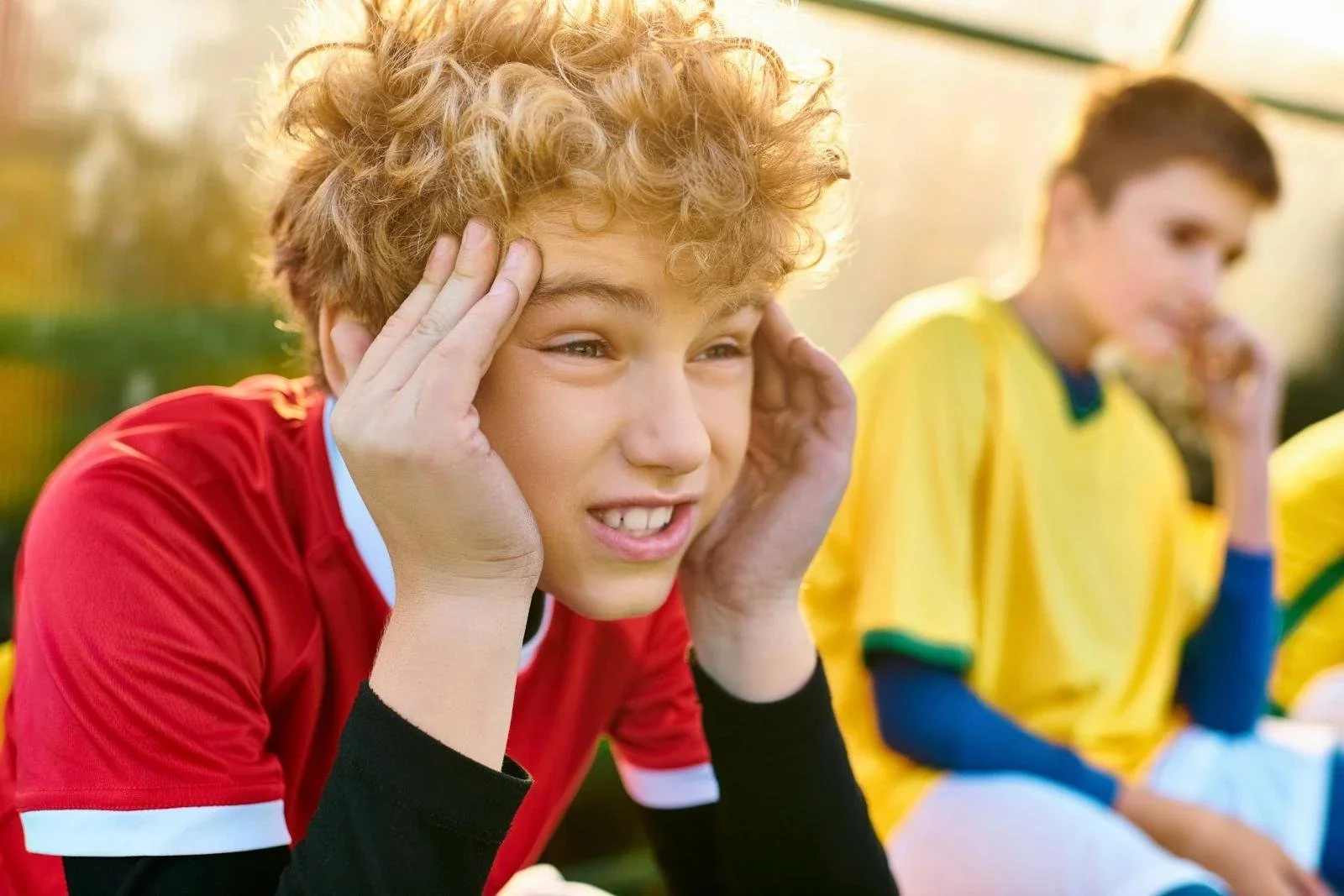
Physical symptoms
Headaches or pressure in the head
Dizziness or balance problems
Nausea or sensitivity to light and noise
Blurred vision or fatigue
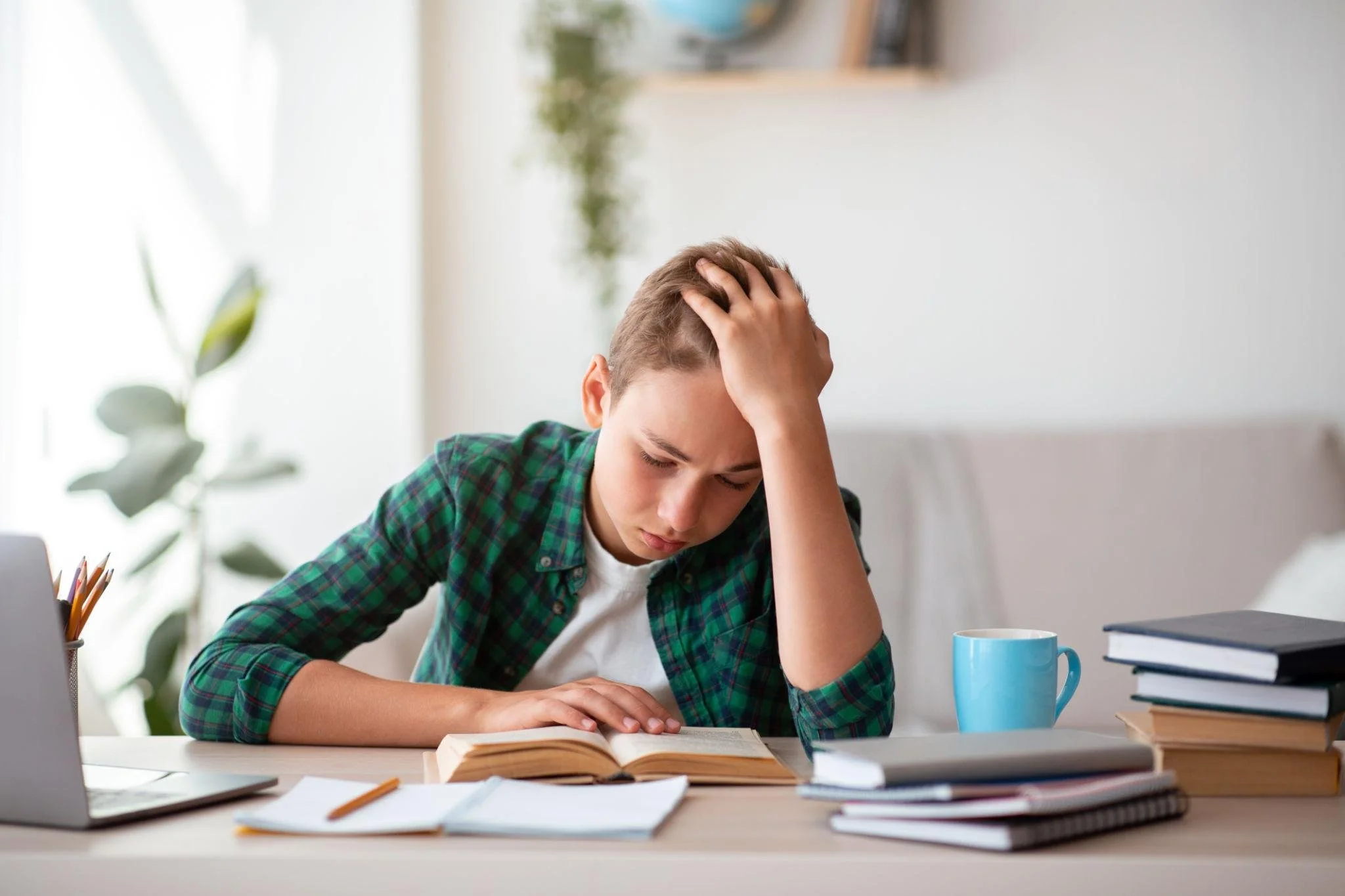
Cognitive symptoms
Difficulty concentrating
Memory problems
Brain fog or confusion
Feeling mentally slowed down
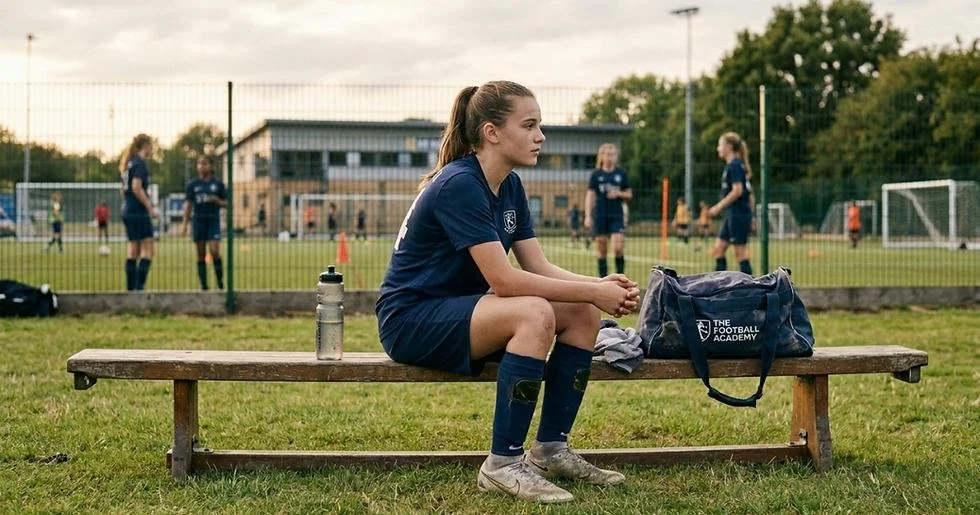
Emotional and behavioral symptoms
Irritability or mood changes
Anxiety or sadness
Unusual behavior
Feeling overwhelmed
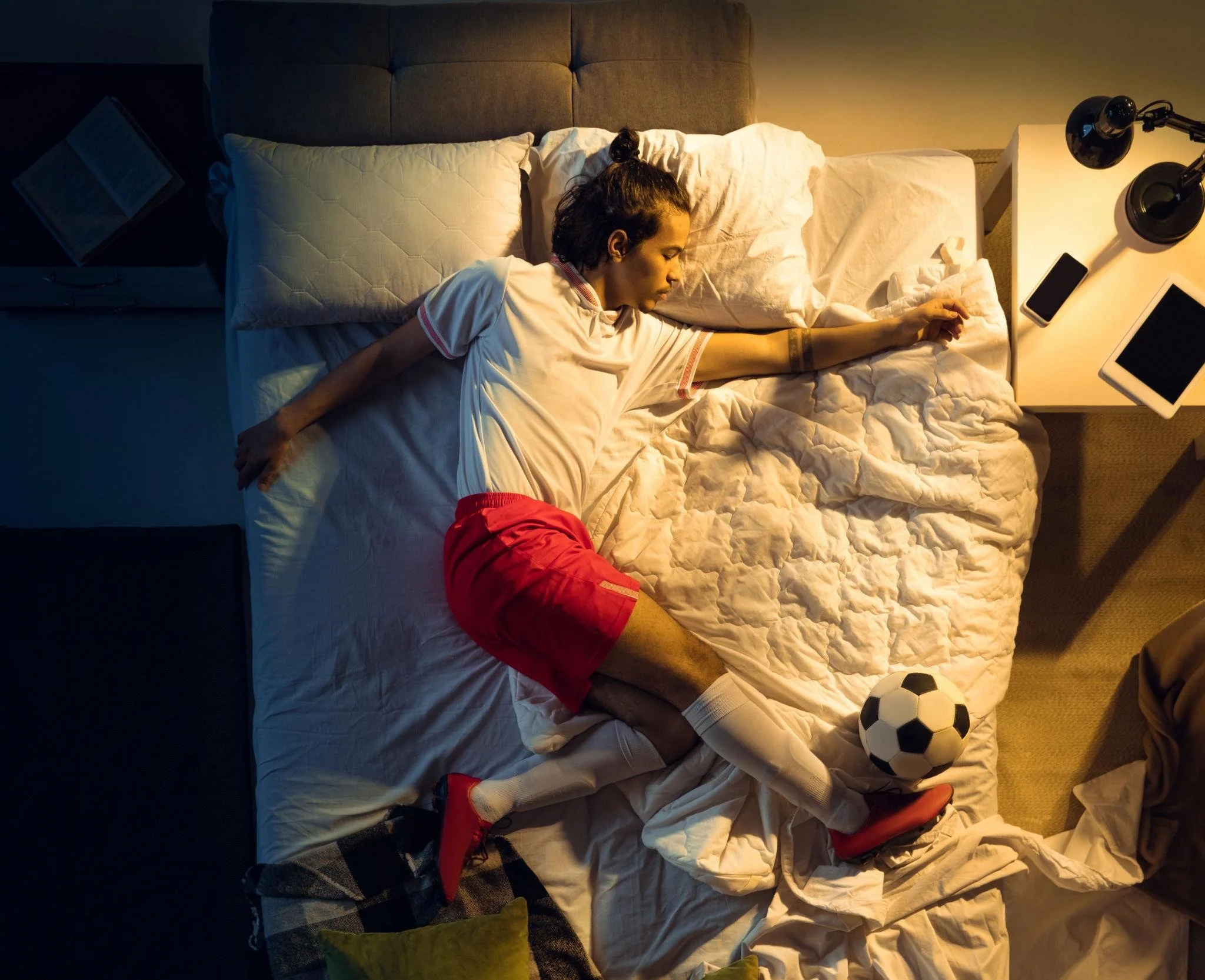
Sleep-related symptoms
Sleeping more or less than usual
Difficulty falling asleep
Unusual fatigue
IMPORTANT: What to do if you suspect a concussion
Remove the athlete from play immediately.
Do not allow the athlete to return to play that day.
Arrange prompt evaluation by a qualified healthcare professional.
Monitor symptoms and follow medical guidance.
If an athlete experiences worsening headache, repeated vomiting, seizures, slurred speech, weakness, increasing confusion, or difficulty waking, seek emergency medical attention immediately.
Source: CDC HEADS UP – Signs and Symptoms of Concussion.
For some young athletes, the hardest part of a concussion isn't the injury itself. It's what happens afterward. They may look fine on the outside, but inside they're struggling with headaches, dizziness, exhaustion, brain fog, and feelings of frustration. They may miss school, fall behind their teammates, and lose the ability to participate in activities they once loved.
Parents often watch their child struggle without knowing what to do next. Athletes may feel isolated, discouraged, or worried that they will never feel normal again.
It's important to know that persistent symptoms don't mean recovery is out of reach. There are treatment and rehabilitation approaches that can help.
Getting diagnosed is only the beginning. Recovery requires a plan.
For many athletes, receiving a concussion diagnosis is just the beginning of a challenging recovery journey. While some recover relatively quickly, others continue experiencing symptoms that interfere with school, sports, relationships, and everyday life.
Imagine being a teenager who used to look forward to every practice, game, and weekend with friends, but now struggles just to get through a school day. Activities that once felt easy can become exhausting. Exercise may bring on headaches or dizziness. Concentrating in class may feel impossible.
It can be frustrating, confusing, and discouraging – especially when an athlete doesn't understand why they still feel so bad.
But ongoing symptoms do not mean an athlete is destined to feel this way forever. Understanding what's contributing to those symptoms is an important step toward finding the right path to recovery.
Why concussion-focused physical therapy matters
Concussion recovery is not one-size-fits-all. Different systems of the body and brain may contribute to an athlete's symptoms.
A physical therapist with specialized concussion training can evaluate and address several areas of function.
CONCUSSION-FOCUSED PHYSICAL THERAPY
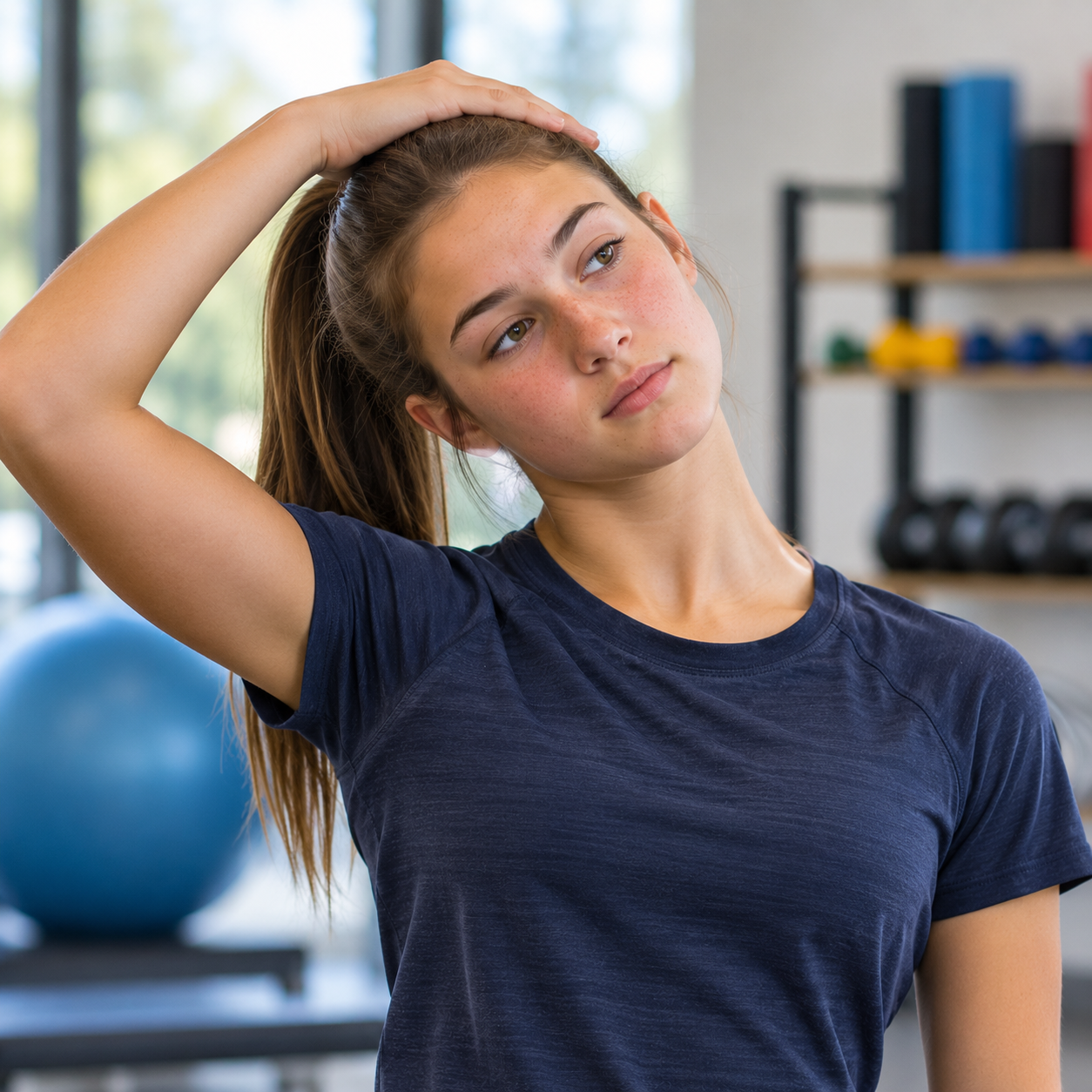
1. Vestibular rehabilitation
Addresses dizziness, balance problems, motion sensitivity, and difficulties with coordination.
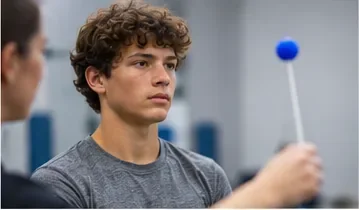
2. Vision and oculomotor rehabilitation
Addresses visual tracking, eye coordination, focusing, and visual motion sensitivity when indicated.
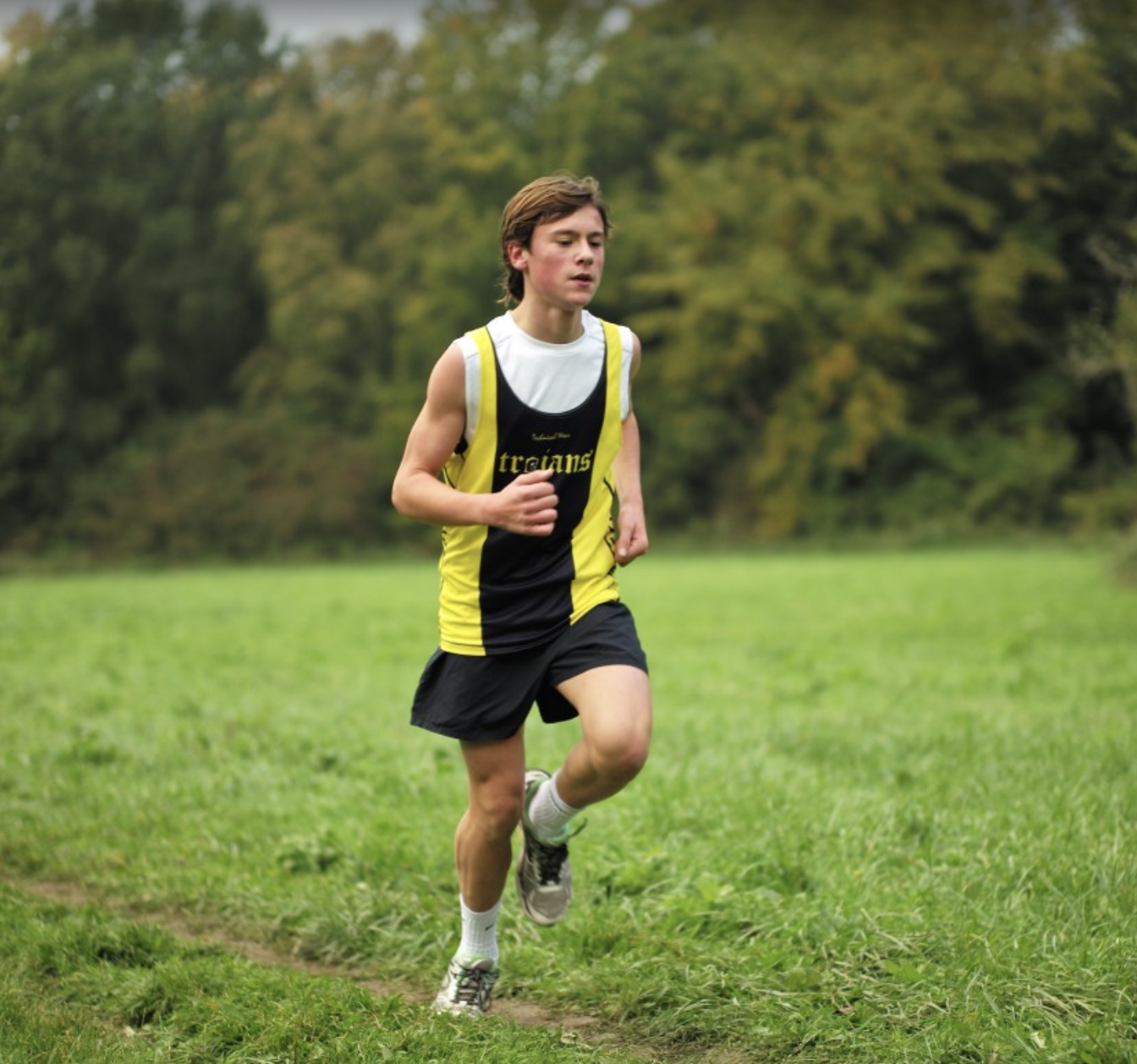
3. Aerobic exercise rehabilitation
Uses individualized, progressive aerobic exercise to address exercise intolerance and support recovery.
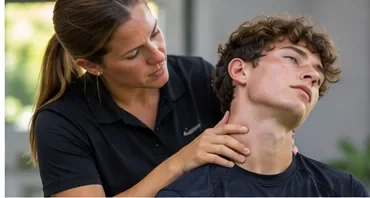
4. Cervical rehabilitation
Evaluates and treats neck-related pain, mobility restrictions, and associated headaches when appropriate.
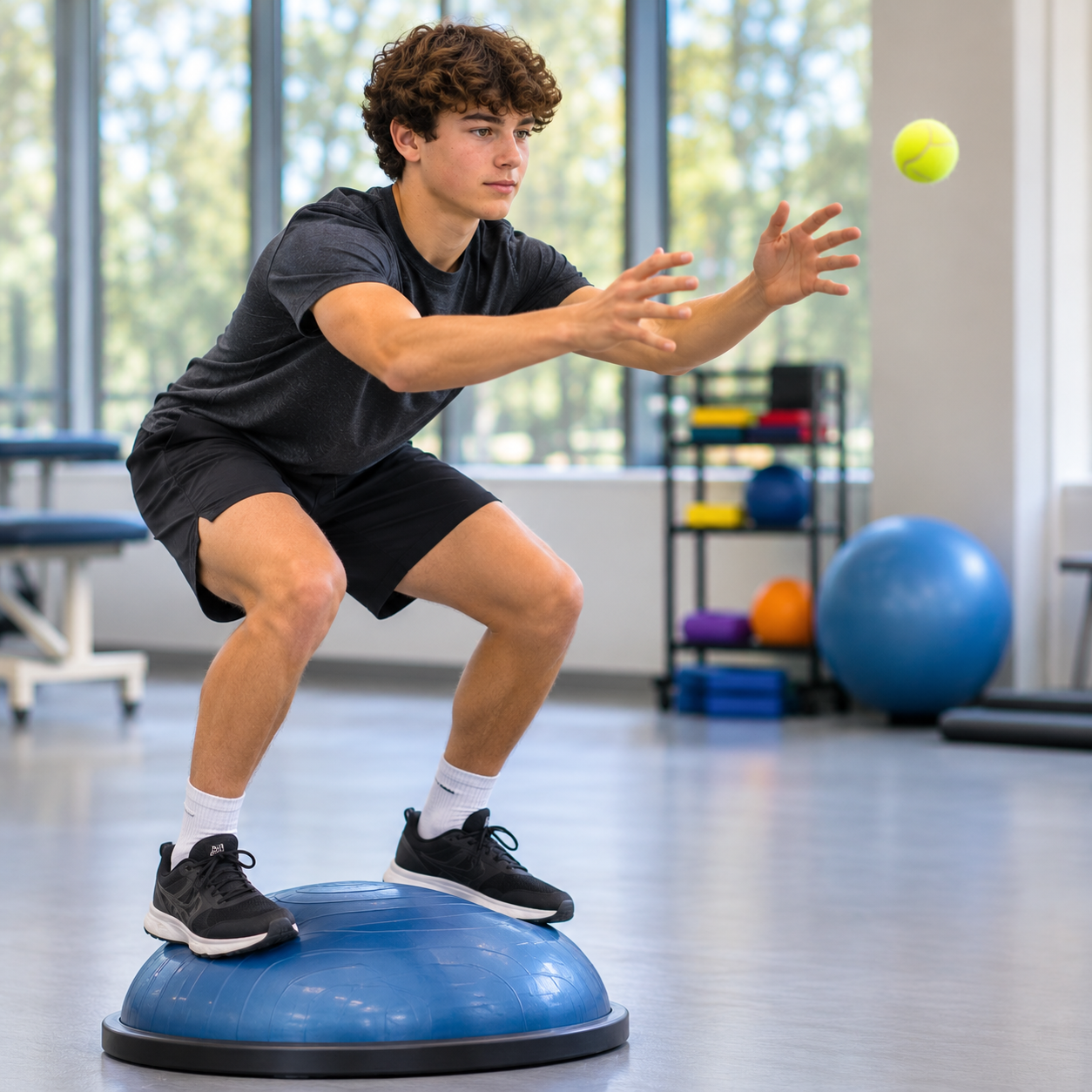
5. Coordination and functional rehabilitation
Helps rebuild movement tolerance, coordination, and functional capacity as recovery progresses.
The goal is to identify the factors contributing to symptoms and develop an individualized treatment approach.
Concussion-focused physical therapy is a critical part of an athlete's recovery. The Concussion Solution is an example of an effective online program the athlete can do at home to help recover and safely return to sport.
The right exercise can help you move forward in your recovery.
When you're dealing with a concussion, exercise can feel like the last thing you want to do – especially when even a little physical activity seems to make your symptoms worse.
But appropriate, carefully prescribed exercise can be an important part of concussion rehabilitation. The key is understanding what your body can tolerate and knowing how to gradually progress.
With the right guidance, athletes can begin rebuilding exercise tolerance, improving balance and coordination, and working toward the activities they want to return to.
A structured recovery approach may incorporate:
Gradual aerobic exercise
Vestibular and balance exercises
Visual and coordination exercises
Progressive movement and activity tolerance
Symptom monitoring and appropriate recovery intervals
The objective is not to push through symptoms. It is to establish an appropriate level of activity and progress safely under the guidance of a qualified healthcare professional.
NUTRITION, SLEEP & WELLNESS
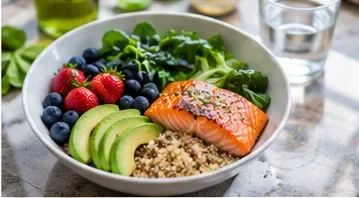
Recovery involves more than physical therapy.
Recovery is about more than getting rid of a headache or dizziness. It's about helping the brain and body function as well as possible so athletes can return to their daily lives.
Sleep, nutrition, hydration, stress management, and appropriate physical activity are all important parts of supporting overall health during recovery.
Nutrition
Eat regular, balanced meals.
Include adequate protein and nutrient-rich whole foods.
Stay hydrated.
Avoid skipping meals, especially when energy levels are low.
Sleep and rest
Maintain consistent sleep and wake times.
Prioritize sufficient nighttime sleep.
Take appropriate breaks when fatigue increases.
Stress and recovery management
Gradually resume normal activities.
Manage screen time and sensory demands when symptoms warrant.
Incorporate relaxation and stress-management strategies.
Avoid returning to high-risk athletic activity before medical clearance.
Nutrition and wellness support recovery, but no particular food, supplement, or diet has been established as a cure for concussion.
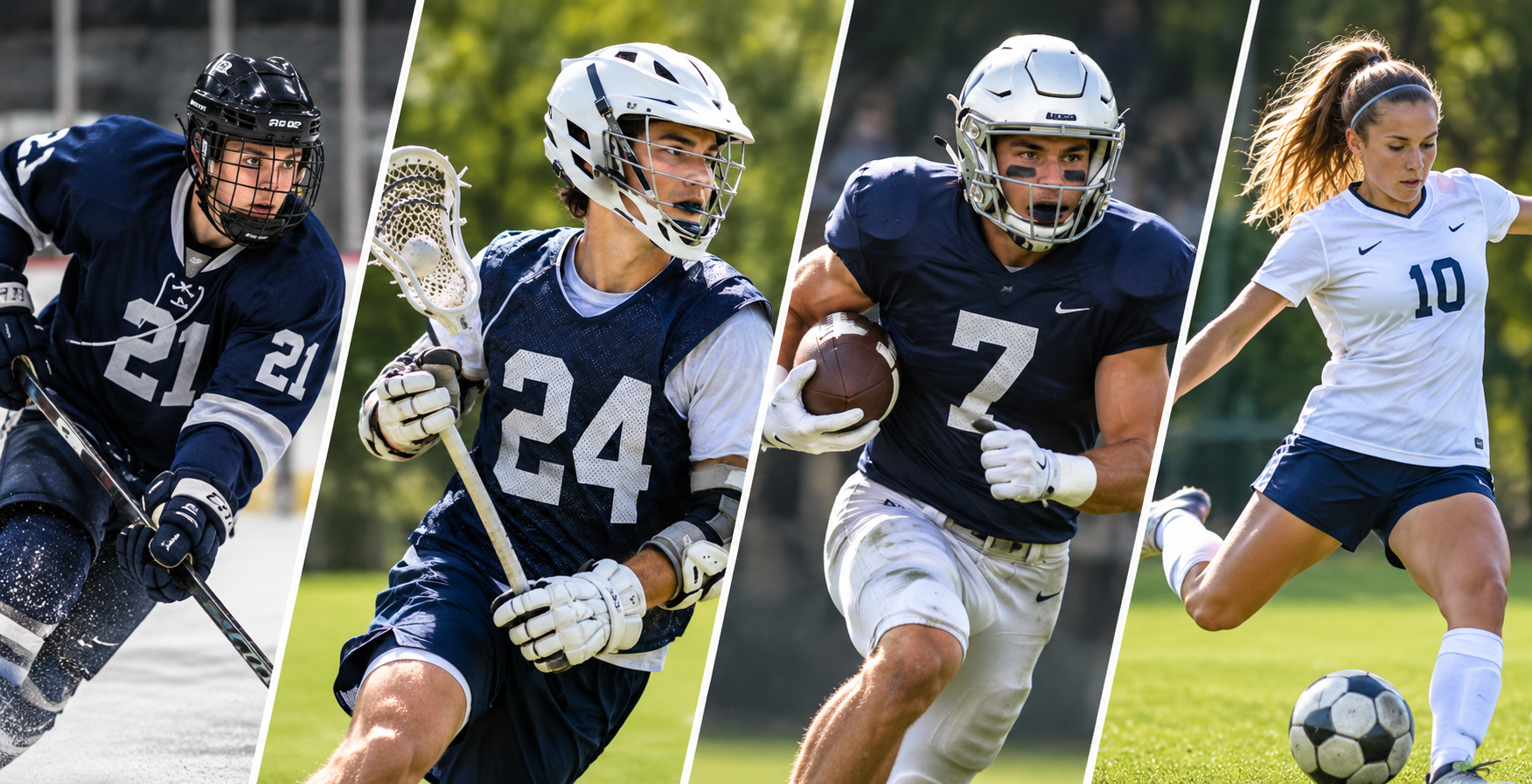
Returning to sport is a process, not a single decision.
One of the most important responsibilities of parents, coaches, and athletic directors is making sure an athlete does not return to competition before it is medically appropriate.
The CDC recommends a six-step progression for returning to sports following concussion.
Regular daily activities
Return to school and normal daily activities as tolerated, with healthcare provider approval to begin the sports progression.
Light aerobic activity
Walking or light stationary cycling to gradually increase heart rate.
Moderate activity
More moderate exercise, including running and controlled movement.
Heavy, non-contact activity
More intensive exercise and sport-specific drills without contact.
Practice and full contact
Return to full-contact practice only after appropriate medical clearance.
Competition
Return to competitive sports after successful completion of the progression and medical clearance.
Each step generally takes at least 24 hours. If symptoms return, the athlete should stop, contact their healthcare provider, and follow guidance before progressing.
No athlete should return to competition simply because they feel better or want to play. Medical clearance is essential.
Source: CDC HEADS UP – Returning to Sports.
You don't have to navigate concussion recovery alone.
If you're a teenager struggling with ongoing concussion symptoms, a parent watching your child struggle, or a coach trying to help an athlete get back on their feet, it's important to know that there are steps you can take.
Not knowing why you still feel bad can be one of the most frustrating parts of concussion recovery.
The Concussion Solution Master Program was developed by concussion physical therapist Annie Howard to help you understand what's happening, learn about the factors that may be contributing to symptoms, and discover practical strategies and exercises that can support your recovery.
This isn't about simply waiting to feel better. It's about understanding your symptoms, learning how to support your brain and body, and having a structured program to help guide your next steps.
Inside The Concussion Solution Master Program:
Foundational concussion education to understand what a concussion is and why you may feel the way you do.
A structured 14-day concussion exercise and wellness program.
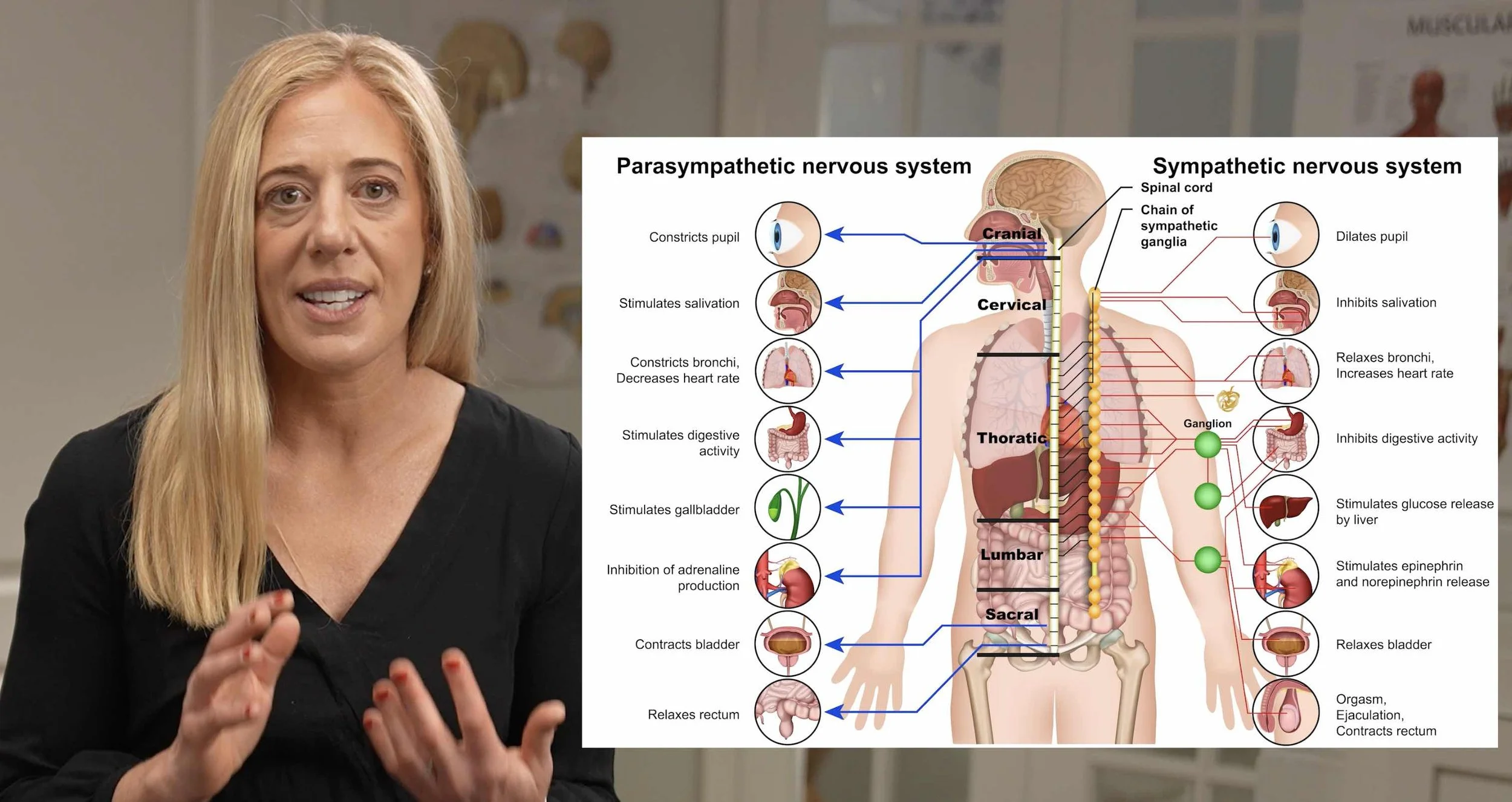
More than 35 targeted exercises addressing visual, vestibular, and autonomic systems.
Guidance on exercise, nutrition, sleep, and recovery habits.
Daily guided meditations and recovery strategies.
A 1:1 Zoom consultation and additional support.
There is a path forward. Start by understanding your concussion.
Learn from Annie Howard, PT, concussion specialist and take an informed next step in your recovery journey.
Meet Annie Howard, PT
Resource Package - Concussion and Primitive Reflex Exercises | Embodia
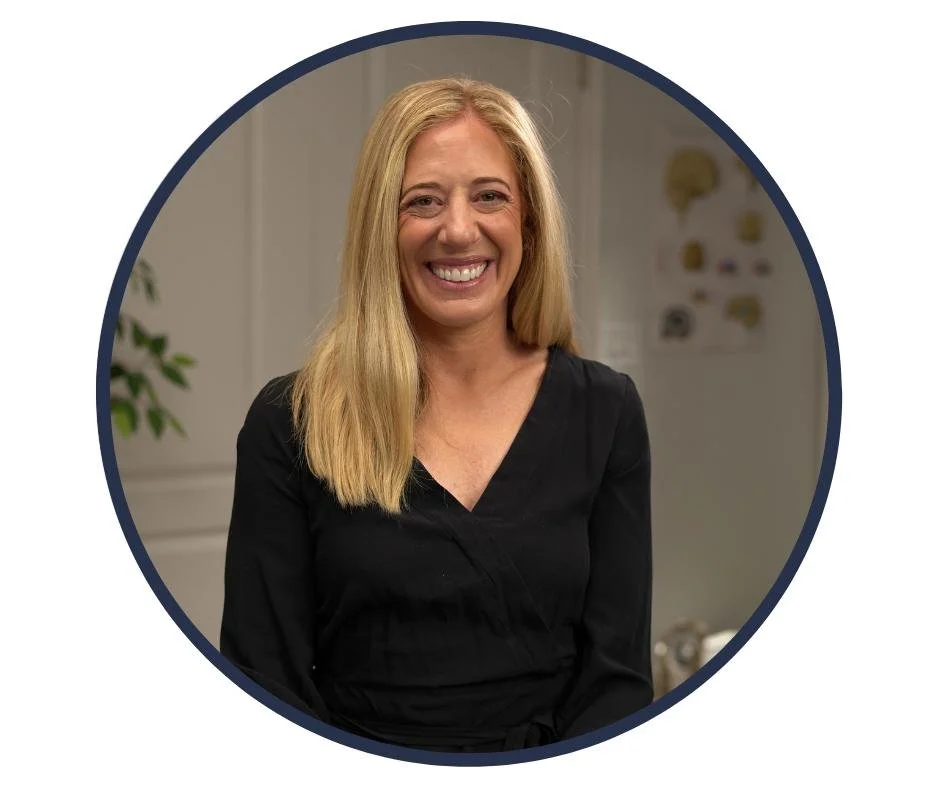
Annie Howard, MS, PT, FDN
Vestibular Certified | Concussion Specialist
Annie understands that recovering from a concussion can be physically and emotionally challenging. Having experienced a sports related concussion herself, she knows how frustrating it can be when you don't feel like yourself and aren't sure what to do next.
As a physical therapist specializing in concussion recovery and vestibular rehabilitation, Annie developed The Concussion Solution to help people better understand their symptoms and learn practical strategies and exercises that can support their recovery.
Her goal is to give athletes and families something incredibly important during a difficult time: knowledge, direction, an actionable recovery program and hope.
More concussion education and recovery resources
An informed parent, coach, or athlete is better prepared to make decisions about concussion recovery.
Explore these educational resources from Happy Brain Physical Therapy.
What to Do If You Have a Concussion: Step-by-Step Recovery Guide
Learn what to do immediately following a concussion, how to manage symptoms, and what recovery involves.
How to Safely Exercise After a Concussion
Understand when to begin exercise, how to progress activity, and why exercise intolerance can occur.
Why Does Exercise Make My Concussion Symptoms Worse?
Understand exercise intolerance and how appropriately prescribed activity can support recovery.
Explore concussion recovery articles
Why Do I Still Have Headaches After a Concussion?
Explore possible contributors to persistent post-concussion headaches and rehabilitation options.
Explore headache and concussion resources
Screen Time After a Concussion: How Much Is Too Much?
Learn how visual demands and screen exposure can affect symptoms during recovery.
FREQUENTLY ASKED QUESTIONS
Concussion recovery: What parents and coaches should know
What should I do if my child gets a concussion during sports?
Immediately remove the athlete from play, do not allow a same-day return, and arrange evaluation by a qualified healthcare professional. Seek emergency care for concussion danger signs.
Can an athlete have a concussion without losing consciousness?
Yes. Most concussions do not require loss of consciousness. Symptoms may include headaches, dizziness, confusion, vision changes, and difficulty concentrating.
Can physical therapy help an athlete recover from a concussion?
Yes. Concussion-focused physical therapy may address vestibular, visual, cervical, balance, coordination, and exercise-tolerance impairments identified during an individualized assessment.
Should an athlete completely avoid exercise after a concussion?
Not necessarily. Current guidance generally supports a brief period of relative rest followed by gradual, symptom-guided physical activity. Exercise should be appropriate to the athlete's condition and healthcare provider's recommendations.
What role does nutrition play in concussion recovery?
Adequate nutrition, hydration, regular meals, and healthy sleep habits support general health and recovery. Nutrition is not a replacement for concussion evaluation or treatment.
When can an athlete return to competition?
An athlete should complete a medically supervised, graduated return-to-sport progression and receive healthcare provider clearance before returning to activities involving contact, collision, or fall risk.
What is The Concussion Solution Master Program?
It is an online educational and recovery-support program developed by Annie Howard, PT. It includes foundational concussion education, a 14-day guided exercise program, more than 35 targeted exercises, and guidance on nutrition, sleep, exercise, and recovery habits.
Protect the athlete. Understand the injury. Support recovery.
A concussion deserves more than a few days on the sidelines. Give athletes and their families the knowledge to make informed decisions about recovery and returning to the sports they love.